
DUI Code of Conduct in Toronto
When facing a DUI charge in Toronto, you need to clearly understand the rules that apply to you and what you can and can’t do.
At DUI Lawyer Toronto, we believe that clear, practical information helps people stay calm and make smart decisions. This page explains the DUI code of conduct in Toronto in plain language — what the law expects from drivers, what police must follow, and what happens after a charge.
A DUI (Driving Under the Influence), legally referred to as “Impaired Driving” in Canada, is governed by strict federal and provincial laws. These laws are enforced aggressively across Toronto and the GTA.
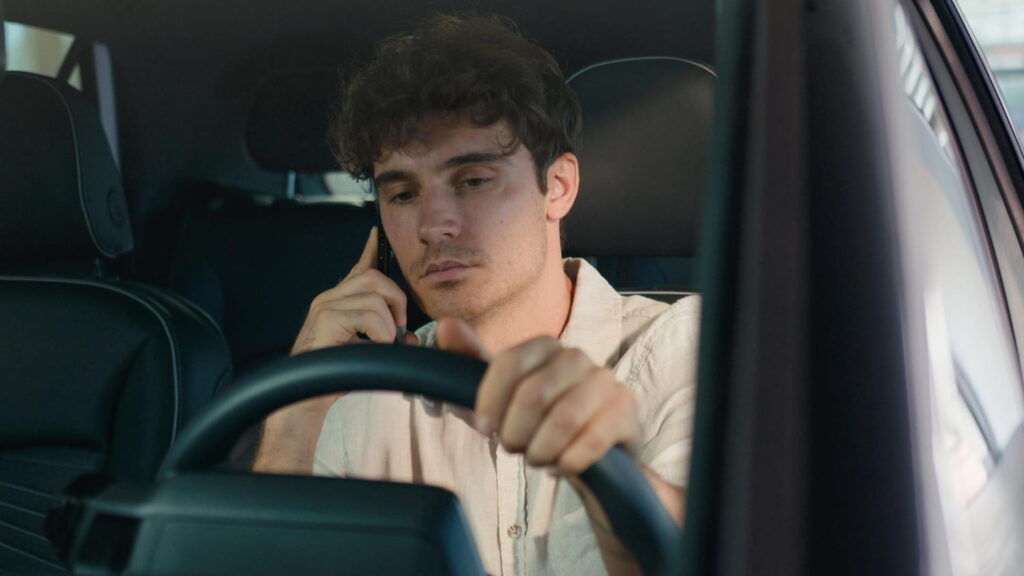
What Is Considered a DUI in Toronto?
Before you can understand your responsibilities, you need to know what legally qualifies as impaired driving. Many drivers assume DUI only applies when someone is clearly intoxicated. In reality, the legal definition is much broader.
In Toronto and across Ontario, you can face DUI charges if you:
Drive with a blood alcohol concentration (BAC) of 0.08% or higher
Drive while impaired by alcohol, drugs, or cannabis
Refuse to provide a breath test when lawfully demanded
Drive while over the legal drug concentration limits
Register a BAC between 0.05% and 0.079% (the “warn range,” which triggers provincial penalties)
These rules apply whether you were stopped at a RIDE checkpoint, during a traffic stop, or after an accident. Even first-time offenders face serious consequences.
The DUI Code of Conduct: What the Law Requires From Drivers
When you hold a valid Ontario driver’s licence, you agree to follow certain legal obligations. These obligations form part of what we call the DUI code of conduct. They are not optional. Failing to follow them can lead to immediate penalties and criminal charges.
You Must Provide a Breath Sample
Under Canadian law, police can demand a roadside breath sample without prior suspicion. If an officer lawfully demands a sample:
You must comply
You must provide the sample immediately
You cannot delay the test to speak with a lawyer before roadside screening
You must follow instructions regarding additional testing at the station
Refusing to comply is treated just as seriously as failing the test. A refusal can result in:
Immediate licence suspension
Vehicle impoundment
Criminal charges
The same penalties as a DUI conviction
Many people make the mistake of thinking refusal protects them. In reality, it often makes the situation worse. Complying while protecting your legal rights is critical.
You Must Remain at the Scene
If police stop you for suspected impaired driving, you are legally required to remain at the scene. This applies whether the stop happens during routine patrol, at a RIDE checkpoint, or after a collision.
You must:
- Stay in your vehicle unless instructed otherwise
- Provide your driver’s licence, registration, and proof of insurance
- Follow lawful instructions from police
Attempting to leave the scene or refusing to cooperate can lead to additional criminal charges. These added charges can complicate your case and increase potential penalties.
Remaining calm and cooperative helps prevent unnecessary escalation.
You Must Not Drive While Suspended
If you receive a licence suspension — whether administrative or court-ordered — you must not drive under any circumstances. Many drivers underestimate how strict this rule is. Suspensions may include:
A 24-hour suspension
A 3-day, 7-day, or 30-day roadside suspension
A 90-day Administrative Driver’s Licence Suspension (ADLS)
A court-ordered driving prohibition after conviction
Driving while suspended can result in:
Heavy fines
Extended suspension periods
Possible jail time
Vehicle impoundment
Even driving a short distance can trigger new charges. Respecting the suspension terms protects you from compounding the problem. Small mistakes after a DUI stop can lead to much bigger legal trouble.
What Police Must Follow Under the DUI Code of Conduct
The DUI code of conduct does not apply only to drivers. Police officers must also follow strict legal procedures. If they fail to follow proper steps, the evidence against you may be challenged in court. This is one of the most important parts of DUI defence.
Lawful Traffic Stop
Police must have legal authority to stop your vehicle. In Toronto, this can include:
Random roadside stops
RIDE (Reduce Impaired Driving Everywhere) programs
Stops related to traffic violations
Investigations following accidents
However, the stop must still comply with the Charter of Rights and Freedoms. If your rights were violated, it may affect the case against you.
Proper Testing Procedures
In many cases, the Crown’s entire case depends on the accuracy and reliability of these test results. Breath and blood testing must follow strict technical rules. Officers must:
- Use approved screening devices
- Conduct tests within required time limits
- Follow proper calibration procedures
- Maintain accurate records
- Inform you of your rights
At DUI Lawyer Toronto, we review every detail carefully. Even small mistakes in procedure can significantly impact the outcome of your case.
Your Rights After a DUI Arrest in Toronto
While the law imposes obligations, it also protects you. Understanding your rights is just as important as understanding your responsibilities. After arrest, you have the right to:
Be informed of the reason for your detention or arrest
Speak to a lawyer without delay (after roadside screening)
Be informed of your Charter rights
Challenge the evidence in court
Receive full disclosure of the Crown’s case
Exercising these rights properly can change the direction of your case. Saying too much or making assumptions can harm your defence. Early legal guidance matters, so seek legal help as quickly as you can.
All Practice Areas

“I was facing my third DUI charge in Toronto and thought jail was unavoidable. The charges were ultimately withdrawn. I got my life back.”
— Michael R., North York
May 24, 2024
“After being stopped at a RIDE checkpoint, I was terrified about losing my license permanently. The case was dismissed.”
— Sara L., Etobicoke
June 08, 2025
“DUI Lawyer Toronto negotiated with the Crown and avoided jail time entirely. Their professionalism in court was impressive.”
— Daniel K., Scarborough
September 20, 2025
“From the first consultation, I felt supported and informed. My case was resolved without custody.”
— Amanda T., Downtown Toronto
January 22, 2025


DUI Lawyer Toronto
Impaired Driving Lawyer Toronto team exclusively works on defending impaired driving charges throughout the GTA - Toronto, Mississauga, Brampton, Scarborough, Markham, Vaughan, Richmond Hill, and other surrounding areas.
Contact info
Quick links
Copyright 2026 DUI Lawyer Toronto, All Right Reserved