Reviewed by the DUI Lawyer Toronto defence teamUpdated
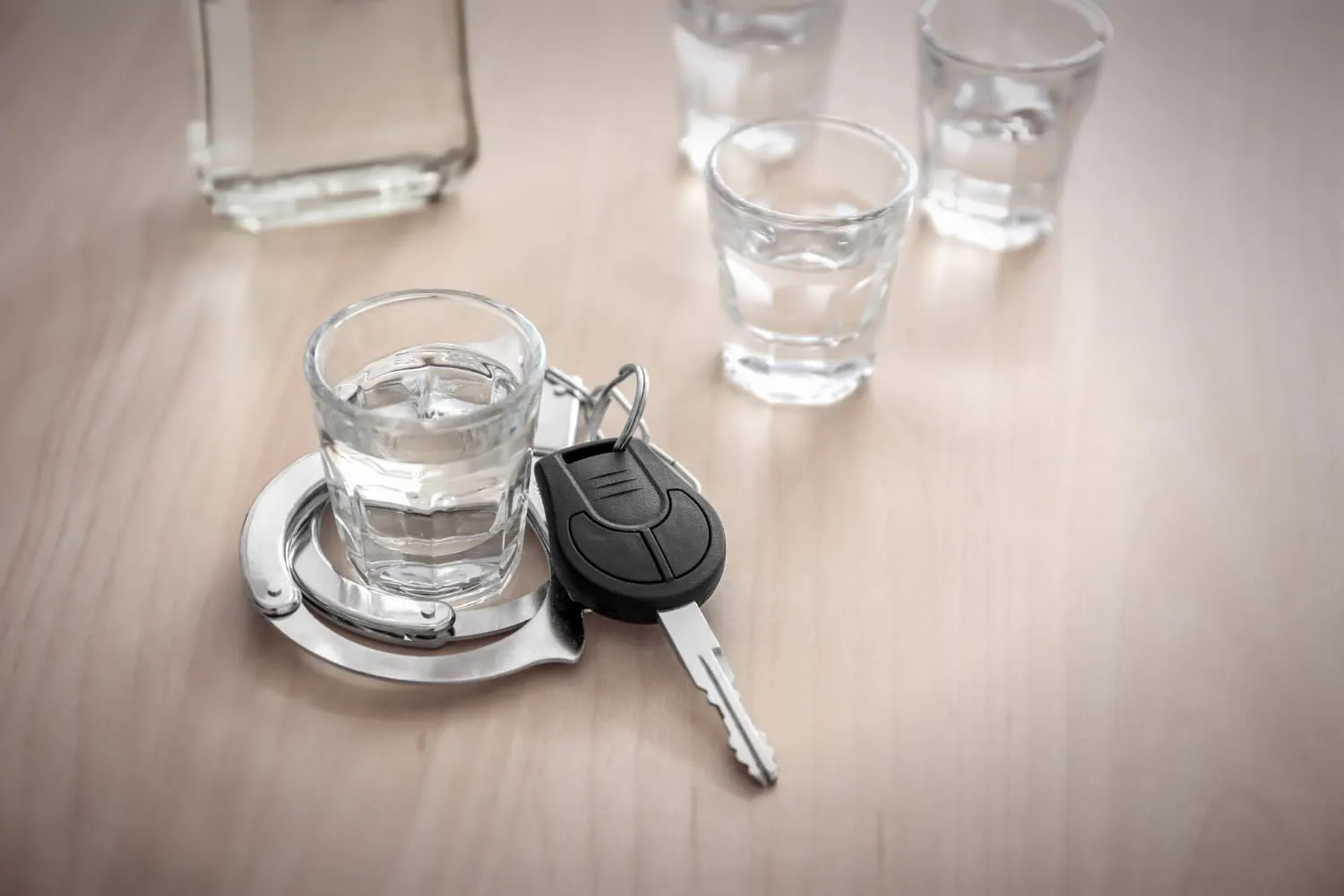
Being charged with a first DUI offence in Toronto is frightening, especially if you have never been inside a courtroom. A first impaired driving charge is a criminal matter under the Criminal Code, and it runs alongside immediate provincial penalties from Ontario. The consequences extend well beyond a fine or a licence suspension. Still, a charge is not a conviction: the Crown has to prove its case, and early advice from a Toronto DUI lawyer can shape what happens next.
This page explains what counts as a first offence, how these cases are investigated and proven in Toronto, the penalties you face, how the court process works and the defences that may apply.

What Counts as a First DUI Offence?
A "first offence" generally means you have no prior impaired driving, over 80 or breath sample refusal conviction under the Criminal Code within the last 10 years. Older records can still influence how the Crown views your case and may affect sentencing if you are convicted.
The Criminal Code offences most often laid against first-time accused in Toronto are:
- Impaired operation under s. 320.14(1)(a): operating a motor vehicle while your ability to drive is impaired to any degree by alcohol, a drug or both
- Over 80 under s. 320.14(1)(b): a blood alcohol concentration (BAC) of 80 mg or more of alcohol per 100 mL of blood within two hours after you stopped driving
- Failure or refusal under s. 320.15: not complying with a lawful demand for a breath, blood, oral fluid or drug evaluation sample without a reasonable excuse
- Drug-impaired driving: operating while impaired by cannabis, prescription medication or other substances, or with a prohibited blood drug concentration
Police lay these charges under federal law, while Ontario's Highway Traffic Act and Ministry of Transportation programs add separate administrative penalties such as the 90-day Administrative Driver's Licence Suspension (ADLS). In practice you are dealing with both systems at the same time, and each follows its own rules.
How First DUI Cases Are Investigated in Toronto
Many first-time charges in Toronto begin at a RIDE (Reduce Impaired Driving Everywhere) check stop. These are common in the evenings, on weekends and during the holiday season. Others start with a routine traffic stop on a busy route such as the 401, the Gardiner Expressway or the Don Valley Parkway.
A typical investigation looks like this:
- The stop. Toronto Police Service, or the OPP on 400-series highways, stops the vehicle.
- Roadside screening. Under mandatory alcohol screening in s. 320.27(2), an officer with an approved screening device may demand a roadside breath sample from any lawfully stopped driver, even without suspicion.
- Arrest and demand. If the screening device registers a fail or the officer forms reasonable grounds, the driver is arrested and a demand is made for breath samples into an approved instrument under s. 320.28.
- Station testing. Two breath samples are taken on the Intoxilyzer 8000C at a police station.
- Release. The driver is usually released with paperwork setting a first court date, along with a 90-day licence suspension and a 7-day vehicle impoundment.
To prove the charge, the Crown relies on the breath results, the officer's notes and observations, any cruiser, booking or breath room video, and the instrument's records. Each of these can be examined by the defence. Ontario's own overview of impaired driving rules describes the provincial side of this process.
Penalties for a First DUI Conviction in Ontario
Both federal and provincial consequences apply to a first conviction. The criminal penalties are set by the Criminal Code, while the licence suspension and remedial programs come from Ontario.
| Consequence | First offence |
|---|---|
| Minimum fine, standard over 80 or impaired | $1,000 |
| Minimum fine, BAC 120 to 159 mg | $1,500 |
| Minimum fine, BAC 160 mg or more | $2,000 |
| Minimum fine, refusal to provide a sample | $2,000 |
| Criminal driving prohibition (s. 320.24) | 1 to 3 years, Canada-wide |
| Maximum sentence, no injury | 2 years less a day (summary) or 10 years (indictment) |
| Criminal record | Yes |
| Ontario licence suspension on conviction | 1 year |
| Back on Track remedial program | Must be completed before reinstatement |
| Ignition interlock condition | At least 1 year after reinstatement |
| Immediate provincial penalties | 90-day ADLS, 7-day impoundment, administrative monetary penalty |
A BAC of 120 mg or more is also an aggravating factor at sentencing under s. 320.22, which can push a sentence above the minimum. Probation may be added, particularly where there was a collision or risky driving. Our post on whether you go to jail for a first DUI explains how judges approach custody on a first conviction.
Ontario's reduced suspension program may allow some first offenders who resolve their case early to drive sooner with an ignition interlock device. Our guide on getting your licence back after a DUI walks through each stage of that process. The eligibility rules and deadlines are strict, so read why you should not plead guilty before seeing the disclosure before you decide between a plea and a trial.
Consequences Beyond the Courtroom
A conviction creates a criminal record. You can apply to the Parole Board of Canada for a record suspension only after a waiting period that starts once you complete the sentence: 5 years for a summary conviction and 10 years for an indictable one. Insurers also treat a first conviction as a major offence, and our article on what a conviction does to your insurance premiums explains how long that lasts.
A conviction can also complicate entry to the United States, where border officers have discretion. Immigration law now treats impaired driving as "serious criminality", so permanent residents and foreign nationals can face inadmissibility or removal. If you are not a Canadian citizen, get immigration advice before resolving your case.
The Process From Charge to Trial
Most DUI charges in the GTA, including first offences, go to the Ontario Court of Justice. The steps usually look like this:
- First appearance. A lawyer can often attend on your behalf, and the Crown provides initial disclosure.
- Disclosure review. We request and review the officer notes, breath room and cruiser video, Intoxilyzer 8000C records, maintenance logs and the timeline of the investigation.
- Crown pretrial. Your lawyer meets the Crown to discuss the evidence, its weaknesses and any possible resolution.
- Judicial pretrial. A judge helps both sides narrow the issues and estimate how long a trial will take.
- Trial or resolution. At trial, Charter applications are usually heard together with the evidence. If the case resolves, sentencing follows.
Under R. v. Jordan, 2016 SCC 27, cases in the Ontario Court of Justice should generally be completed within 18 months. Unreasonable delay that is not caused by the defence can lead to a stay of the charge.
Common Defences to a First DUI Charge
Every case turns on its own facts, and the right strategy depends on the evidence. These are the main areas we examine.
Challenging Officer Observations
Much of the Crown's evidence in a DUI case relies on police observations: slurred speech, balance issues, the odour of alcohol and bloodshot eyes. A defence lawyer can test these observations through:
- Cross-examination of the arresting officer
- Video from police cruisers, body cameras or the station
- Medical explanations for symptoms that mimic impairment
- Witness testimony that contradicts the police account
Challenging the Breath Test Evidence
Breath results are often central to a first-offence prosecution. The defence may review:
- Instrument records and maintenance logs for the Intoxilyzer 8000C
- Procedural errors in how the samples were taken and recorded
- Chain of custody where blood samples were seized
- Medical conditions that may affect a reading
No lawyer can promise how these challenges will turn out, but they can weaken or exclude key evidence.
Charter Challenges to the Stop, Detention and Arrest
The Charter protects you against unreasonable search and seizure (s. 8) and arbitrary detention (s. 9), and it gives you the right to counsel without delay once detained (s. 10(b)). If police did not properly inform you of your right to counsel, or delayed your chance to call a lawyer, a court may exclude evidence under s. 24(2), applying the test from R. v. Grant, 2009 SCC 32. A station breath demand also requires reasonable grounds, so if those grounds were missing, the breath results may be at risk.
Negotiated Outcomes
First-offence cases may offer more room for negotiation where there are real problems with the Crown's evidence. Depending on the circumstances, a resolution to a lesser charge, such as careless driving under the Highway Traffic Act, which does not create a criminal record, may be possible. Whether that is realistic depends on the evidence and the Crown's position.
What to Do Right Now After a First DUI Charge
The steps you take in the first few days can protect your options:
- Write down everything you remember: where you were stopped, what you drank and when, what officers said, and when you were told about your right to counsel.
- Keep your paperwork together, including release documents, the suspension notice and impound papers.
- Do not discuss the facts of your case on social media or with anyone except your lawyer.
- Note your court date and make sure you or your lawyer appears.
- Get legal advice early, before any deadline for the reduced suspension program passes. If cost is a concern, our articles on what a DUI lawyer costs and whether Legal Aid Ontario covers a DUI case explain the options.
Our step-by-step guide for anyone charged with a DUI walks through these points in more detail. If police stopped you outside the downtown core, our pages for Scarborough impaired driving charges and drunk driving cases in North York explain how the Toronto courthouse handles matters from those parts of the city. Halton drivers can read about jail risk on a first DUI in Milton and whether a lawyer is worth it for a first DUI in Burlington, where cases go to the Milton courthouse. If you do have an earlier conviction, the Crown may treat the new charge as a second DUI offence with mandatory jail, so tell your lawyer about your full history; our page on repeat charges explains the difference.
Our Toronto DUI defence team answers calls 24/7 at 647-370-5179.
1st DUI Offence: frequently asked questions
Is a first DUI a criminal offence in Ontario?
Yes. Impaired driving, over 80 and refusing a lawful breath demand are all offences under the Criminal Code of Canada, even on a first charge. A conviction creates a criminal record, a mandatory minimum fine and a driving prohibition. Ontario adds its own licence suspension and remedial program in addition to the criminal penalties. A first charge is still only an allegation, and the Crown must prove it beyond a reasonable doubt.
Do you go to jail for a first DUI in Ontario?
There is no mandatory minimum jail sentence for a first impaired driving or over 80 conviction without injury. The mandatory minimum is a fine, starting at $1,000. However, the maximum penalty is up to 10 years if the Crown proceeds by indictment, so jail is legally possible. Aggravating factors, such as a blood alcohol reading of 120 mg or more or a collision, can lead to a harsher sentence.
How long will I lose my licence after a first DUI conviction?
A first conviction brings a criminal driving prohibition of one to three years under the Criminal Code and a one-year licence suspension from Ontario. Before your licence is reinstated you must complete the Back on Track program, and an ignition interlock condition then applies for at least one year. Some eligible first offenders who resolve their case early may be able to drive sooner through Ontario's reduced suspension program.
Is the 90-day roadside suspension the same as a conviction?
No. The 90-day Administrative Driver's Licence Suspension and the 7-day vehicle impoundment are provincial penalties that start immediately, before any court date. They are separate from the criminal case and do not mean you have been found guilty. Your criminal charge still has to go through the Ontario Court of Justice, where the Crown must prove every element of the offence.
Can a first DUI be removed from my criminal record?
A conviction stays on your record unless you obtain a record suspension, formerly called a pardon, from the Parole Board of Canada. You can apply only after a waiting period that begins once your whole sentence is complete. The wait is 5 years for a summary conviction and 10 years for an indictable conviction. Avoiding a conviction in the first place is the only way to prevent a record.