By Jordan EllisReviewed by the DUI Lawyer Toronto defence teamUpdated 8 min read
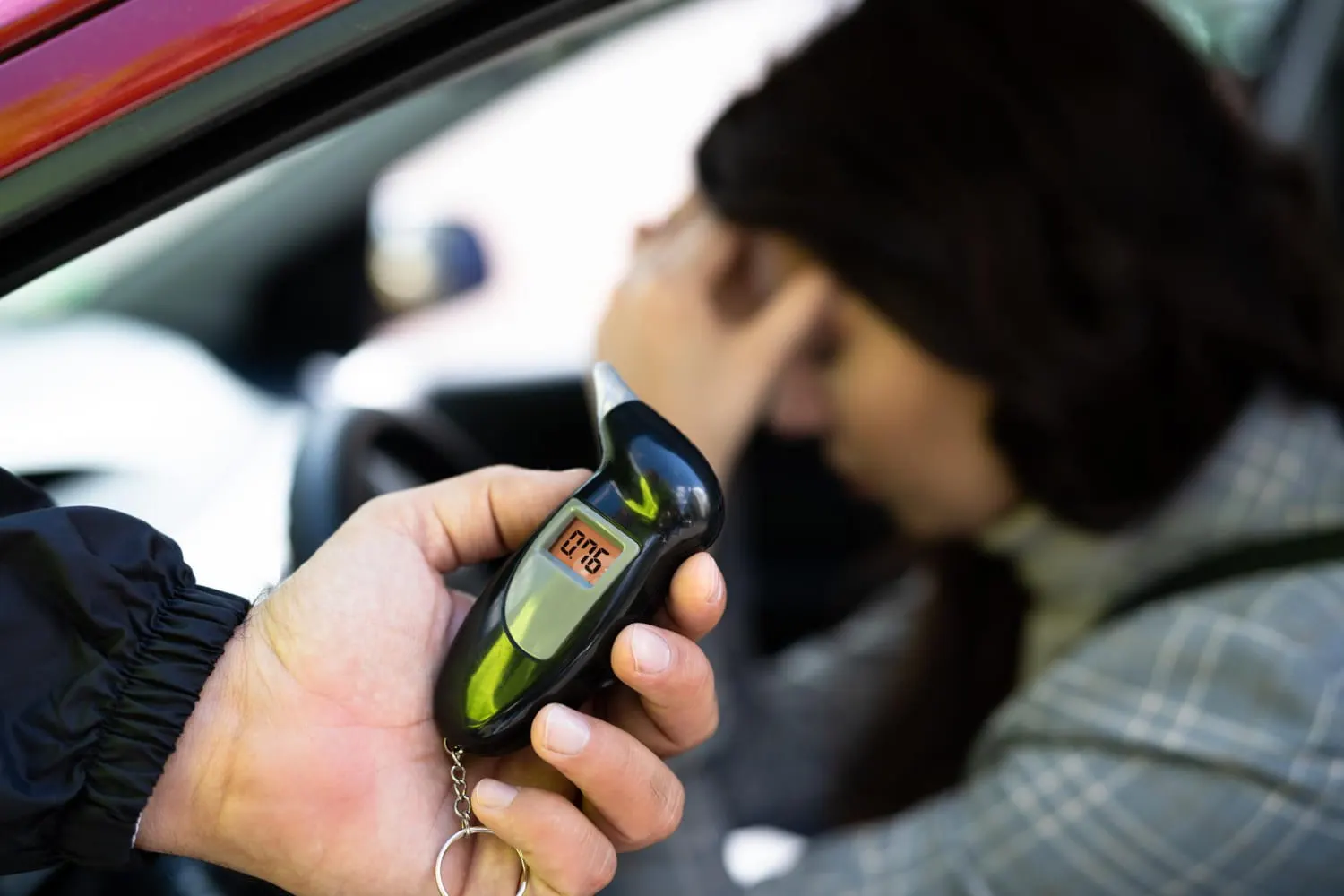
Had a few drinks last night and wondering whether you would still blow over this morning? Or maybe you have been charged with impaired driving? If you’re trying to understand what the breathalyzer evidence against you actually means, this is not a simple question. The answer matters more than most people realize.
A breathalyzer can detect alcohol on the breath for anywhere from 12 to 24 hours after your last drink. That range is almost useless on its own, because where you fall within it depends on a number of personal factors.
What Is a Breathalyzer and How Does It Work?
A breathalyzer is a device that estimates your blood alcohol concentration (BAC) by measuring the amount of alcohol in your exhale. When you drink, alcohol is absorbed into your bloodstream and eventually passes through the lungs. A small portion evaporates into the air you breathe out, and a breathalyzer captures that air, using it to calculate your BAC.
In Canada, the legal BAC limit for driving is 0.08% under the Criminal Code, and blowing at or above that level is the over 80 offence. But in Ontario, the consequences can start even lower. At 0.05%, you enter the “warn range,” which triggers an automatic 3-day licence suspension even without a criminal charge. This is why the exact number on the device matters so much, and why understanding what can affect that number is important.
Roadside Devices vs. Station Breathalyzers
Not all breathalyzers are the same. The type of device used at each stage of a traffic stop has different legal weight. In Ontario, police use two distinct types:
- Approved Screening Device (ASD): A handheld roadside unit used to get an initial reading. A result of “Warn” or “Fail” on an ASD gives police grounds to demand a more precise test, but ASD results alone cannot convict you in court.
- Approved Instrument (AI): A larger, laboratory-grade machine used at the police station. This is the device that produces the BAC reading used as primary evidence in a DUI prosecution. Its results carry much more legal weight.
If you are trying to assess your situation, whether you might still be over the limit, or whether the evidence against you is solid, the type of device used and how it was administered are both critical details.
Police can demand a breath sample at the roadside using an ASD, and then again at the station using an Approved Instrument. Both demands are legally binding, refusal to provide a breath sample at either stage is a criminal offence in its own right.
How Long Can a Breathalyzer Actually Detect Alcohol?
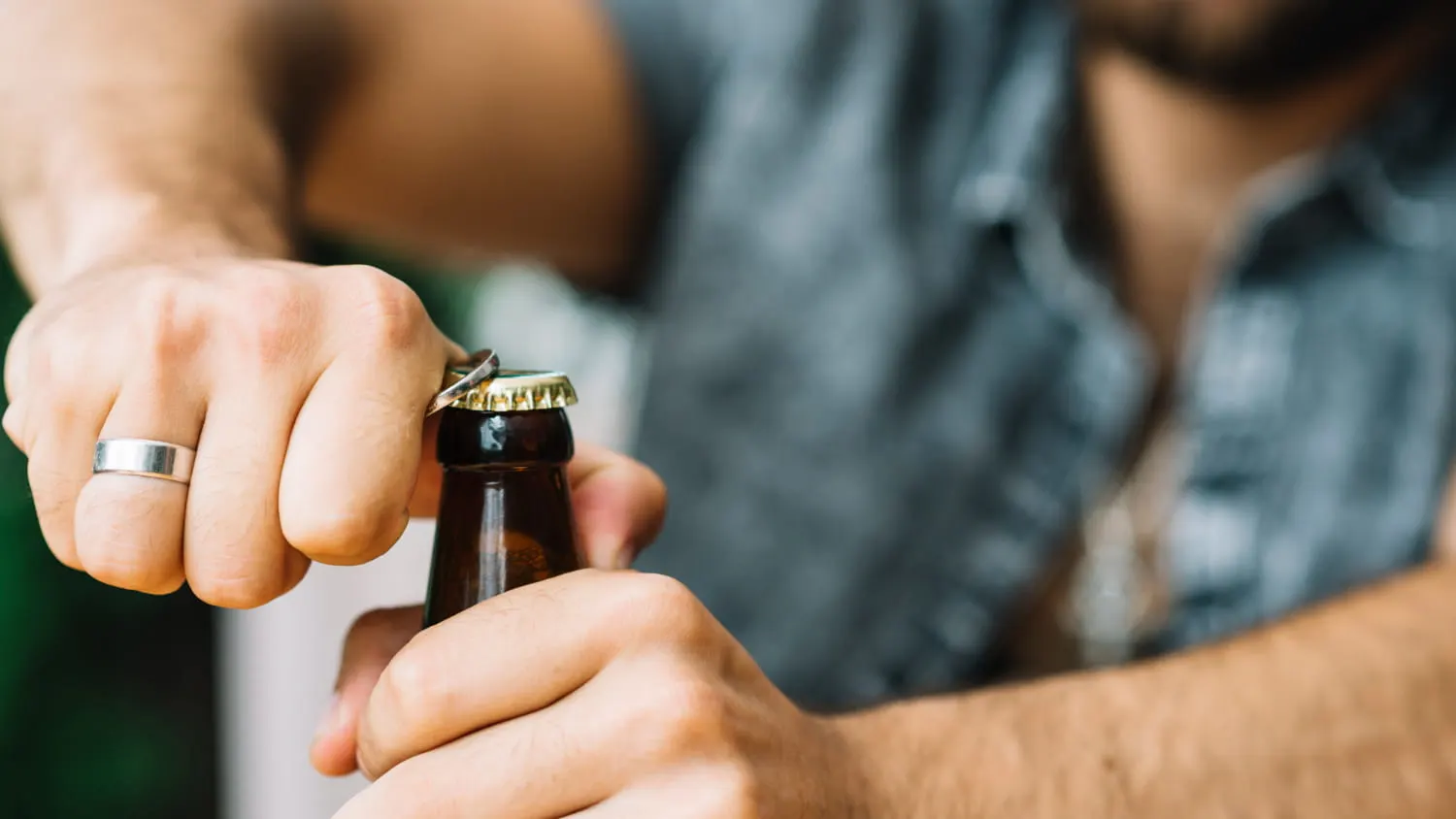
A breathalyzer can detect alcohol in the breath for up to 24 hours after your last drink. In many cases, alcohol clears the breath within 12 hours. However, that lower end of the range applies to people who drank modestly and metabolize alcohol efficiently. If you drank heavily, stayed up late, or your body processes alcohol slowly, you could still register a detectable BAC well into the next day.
The body processes alcohol at roughly one standard drink per hour on average, but that number is a statistical average across large populations, not a reliable personal benchmark. In practice, the rate varies considerably from person to person and even from one occasion to the next. Our article on standard drinks and the legal limit shows why counting drinks is unreliable.
This is why “I only had four drinks and slept eight hours” is not a legal defence on its own. Your BAC at the time of driving is what the law cares about, and that number depends on far more than hours elapsed.
What Affects How Long Alcohol Stays in Your System
Several biological and situational factors determine how quickly alcohol is metabolized and cleared from the breath. The same amount of alcohol can produce very different BAC readings in different people, or in the same person on different nights. Key factors include:
- Sex: Females typically metabolize alcohol more slowly than males. The same number of drinks will generally produce a higher BAC and take longer to clear.
- Age: The body’s ability to process alcohol slows with age. It means that older individuals may retain detectable BAC levels for longer periods.
- Body weight and composition: Alcohol distributes through body water, not fat. People with a higher body fat percentage relative to their total weight may reach higher peak BAC levels from the same number of drinks.
- Food intake: Drinking on a full stomach slows alcohol absorption into the bloodstream. This can delay when your BAC peaks, but it does not reduce the total amount of alcohol your body has to process.
- Total amount consumed: This one is straightforward, the more you drink, the longer it takes your body to clear the alcohol. Heavy drinking can easily push the detection window toward the full 24-hour mark.
The bottom line: there is no reliable way to calculate your own BAC at home, and no trick, coffee, cold showers, food, water, that speeds up the process. Only time lowers your BAC.
Other Ways Police Can Test for Alcohol
Breathalyzers are the most common tool for roadside alcohol detection, but they are not the only one. If a breath test is inconclusive, returns an unexpected result, or if police suspect drug impairment, they can pursue other testing methods. Each has a different detection window and different legal implications:
- Blood test: Detects alcohol for up to 12 hours. In Canada, police can demand a blood sample under warrant in certain circumstances. Courts consider blood test results highly reliable, and they are difficult to challenge on accuracy grounds alone.
- Urine test: Can detect alcohol metabolites for up to 5 days depending on the test type. Less commonly used in criminal DUI proceedings, but relevant in other legal contexts such as probation compliance or professional licensing.
- Hair follicle test: Can reveal alcohol use going back up to 90 days. This is rarely used in standard DUI cases but can appear in custody disputes, workplace investigations, or other proceedings where longer-term drinking patterns are relevant.
Each of these methods comes with specific legal requirements governing how and when they can be used. If any were part of your case, whether the correct procedures were followed is a question worth examining closely.
What This Means If You Are Facing a DUI Charge in Ontario
If you have been charged with impaired driving in Ontario, the breathalyzer reading is likely the centrepiece of the Crown’s case against you. That reading feels definitive, but in practice, it is evidence that can be examined, scrutinized, and sometimes successfully challenged.
How Breathalyzer Evidence Can Be Challenged in Court
A Toronto DUI lawyer does not just review what the device showed. They examine everything surrounding how that number was obtained. Common grounds for challenging breathalyzer results include:
- Calibration and maintenance records: Approved Instruments must be regularly maintained and calibrated to a strict standard. Gaps or errors in service records can raise legitimate questions about the accuracy of the reading, as an over 80 dismissal over instrument records from our own files shows.
- Operator error: Police officers must follow specific protocols when administering the test. For example, they must observe the subject for 15 minutes before testing. Any deviation from proper procedure can be grounds for challenging the results.
- Mouth alcohol contamination: Residual alcohol in the mouth from a recent burp, vomit, or drink can artificially inflate a reading. Modern devices are designed to catch this, but the safeguard is not foolproof.
- Medical conditions: Conditions such as diabetes or a ketogenic diet can cause the body to produce acetone. Some older devices may misread it as alcohol. Modern Approved Instruments are designed to distinguish the two, but this is still a relevant consideration in some cases.
- Charter rights violations: If police violated your rights under the Canadian Charter of Rights and Freedoms, for example through an unlawful stop or by denying you timely access to a lawyer, a court may exclude the breathalyzer evidence entirely.
These are not theoretical arguments. They are established defences that have succeeded in Ontario courts, and our guide to DUI defence strategies explains each of them. The specific facts of your case, when you were stopped, what device was used, how the test was conducted, and whether your rights were respected, all matter.
The “Evidence to the Contrary” Defence
Under Canadian law, the Crown benefits from a legal presumption that the breathalyzer reading accurately reflects your BAC at the time you were driving, not just at the time of the test. You can challenge this presumption by presenting credible “evidence to the contrary.” For example, a toxicologist may be able to reconstruct your BAC at the time of driving based on what you drank, when you drank it, and your personal metabolic profile, and demonstrate that it was below 0.08%. This is a technically complex defence that requires expert evidence and a careful legal strategy, but it is a legitimate and recognized option under Canadian law.
A Failed Breathalyzer Test Is Not the End of Your Case
A breathalyzer reading is serious evidence, but it is not automatically conclusive. The science behind how alcohol is detected is genuinely complex. The legal rules governing how that evidence must be gathered are strict. From the calibration of the machine to the conduct of the officer at the roadside, there are multiple points where errors can occur and legal standards can fall short.
Conclusion
If you are trying to understand whether you might still be over the limit, do not guess. The consequences of getting it wrong, a criminal record, licence suspension, fines, and possible imprisonment, are too serious. If you have already been charged, speak with an experienced DUI defence lawyer before your court date. Breath readings are evidence, not a verdict, as our Vaughan page puts it, and our Oshawa page explains how a breath test result can be challenged in Oshawa.
Common questions
Can I still be over the limit the morning after drinking?
Yes, and this surprises many people. If you drank heavily the night before, your BAC can still be above 0.08% the following morning, even after a full night's sleep. Morning-after impaired driving charges are more common than most drivers realize, particularly after late nights involving significant alcohol consumption. When in doubt, do not drive.
Does coffee, food, or water help clear alcohol from your system faster?
No. None of these speed up alcohol metabolism. Food consumed before drinking can slow how quickly alcohol is absorbed, which may lower your peak BAC, but once alcohol is in your bloodstream, only time eliminates it. Coffee may make you feel more alert, but it does not lower your BAC or change what a breathalyzer will read.
Can I refuse a breathalyzer test in Ontario?
No. Refusing a lawful demand to provide a breath sample is a criminal offence under the Criminal Code of Canada, and it carries the same penalties as a DUI conviction. Refusal does not help your case, it typically makes things worse. If you have been tested and are concerned about the result, the right move is to contact a DUI defence lawyer as soon as possible.
What if I blew below 0.08% but was still charged with impaired driving?
This is possible under Canadian law. A charge of impaired driving does not require a BAC above 0.08%, police can lay a charge based on observable signs of impairment, even with a lower reading. Erratic driving, poor performance on field sobriety tests, slurred speech, or bloodshot eyes can all factor into a charge. The breathalyzer is one piece of evidence, not the only one.
How long after drinking is it safe to drive?
There is no reliable formula that works for everyone. Because so many personal factors affect alcohol metabolism, including your sex, age, weight, and how much you ate, the same number of drinks can leave two people with very different BAC readings hours later. The only approach that carries no legal risk is not driving at all after consuming alcohol.